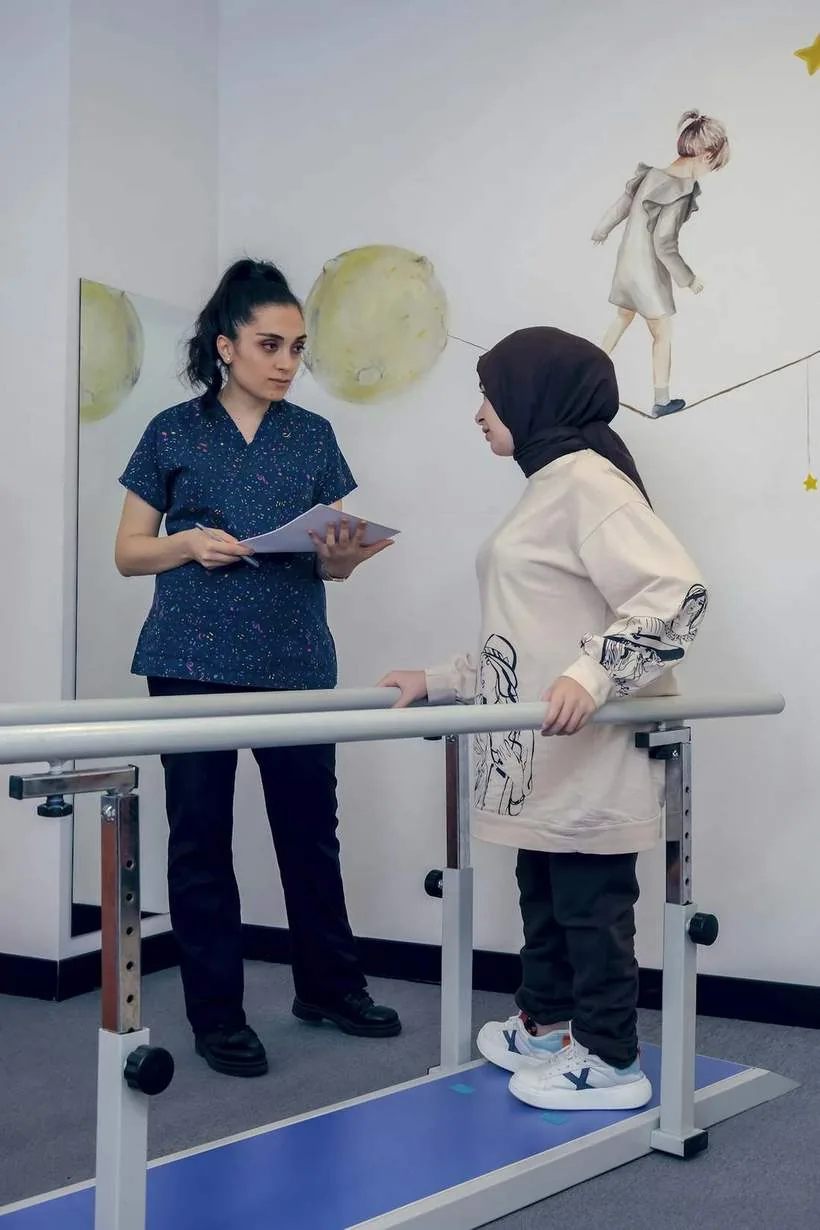
About post-operative rehabilitation
The weeks after an operation are when good rehabilitation makes the biggest difference. Pain, swelling, stiffness and weakness are expected, and a structured programme helps you move through each stage safely while protecting the surgical repair.
We work within your surgeon's protocol and timelines.
What we assess and treat
Surgery we commonly provide rehabilitation after:
- Knee replacement and hip replacement
- ACL reconstruction and knee arthroscopy
- Rotator cuff repair, shoulder stabilisation and shoulder replacement
- Spinal surgery, including discectomy and fusion
- Fracture fixation and removal of a cast or moon boot
- Ankle and foot surgery
- Abdominal and chest surgery, where breathing and early mobility matter
How physiotherapy helps
Treatment is decided by the assessment, not before it. Depending on what we find, your plan may include:
- 01
Early stage
Managing swelling and pain, protecting the repair, restoring safe movement and getting you walking or using the limb as your protocol allows.
- 02
Middle stage
Rebuilding range of movement and strength, retraining walking and daily tasks, and progressing your home programme.
- 03
Late stage
Returning to work, driving, sport and the activities that matter to you, with clear milestones.
- 04
Coordination with your surgeon
We follow their protocol and report progress, so decisions about your recovery are made with the full picture.
- 05
A home programme
Most of rehabilitation happens between sessions. You will always know exactly what to do at home.
Your first visit
- 1
Assessment
We talk through your history and symptoms, then assess how you move to find the cause.
- 2
Treatment
Hands-on treatment starts in the same session, matched to what the assessment shows.
- 3
Your plan
You leave knowing what we are treating, what to do at home, and what comes next.
Common questions
When should I start physiotherapy after surgery?
As soon as your surgeon advises, which for many operations is within the first days or weeks. Earlier, guided movement generally supports a better recovery. Bring your surgeon's protocol or discharge notes to your first session.
Do I need a referral for post-operative physiotherapy?
A referral is preferable and should include your surgeon's instructions regarding your post-operative plan and timeline.
How long will rehabilitation take?
It depends on the operation and your goals. A knee replacement and a rotator cuff repair follow very different timelines. We set expectations at the first visit and review them as you progress.
Related conditions
This page is general information about physiotherapy for this condition. It is not a diagnosis and does not replace an individual assessment. If you are worried about your symptoms, please contact the practice or see your doctor. Reviewed 2026-09-10. Physiotherapy services are provided by Candice Paulse, BSc Physiotherapy (UCT), registered with the HPCSA.